BLOG
AI engineering, backend systems, and the tools behind reliable software.
Filter by category
AllAI Engineering Linux & Systems Notes & Reflections Web & WordPress Engineering
-
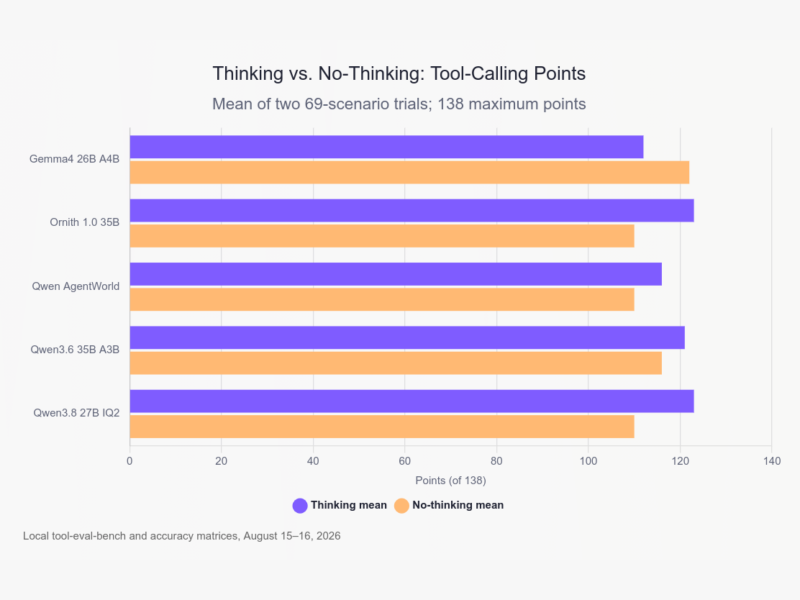
Thinking vs. No-Thinking in Local LLM Agents: Five Models, Two Trials, and No Universal Winner
Five local model artifacts tested twice with and without thinking, followed by GSM8K, MMLU, and IFEval: quality, safety, latency, and deployment trade-offs.
-
Six Local Models on Tool-Eval-Bench: Tool Calling, Safety, and State
Six quantized local models across 69 deterministic tool-calling scenarios, with observed quality, safety, state handling, latency, token use, and explicit limitations.
Read more about Six Local Models on Tool-Eval-Bench: Tool Calling, Safety, and State
-
Eight Quantized Local Models on Aider Polyglot: An Operational Snapshot
Eight quantized local models across 225 Aider Polyglot tasks, with observed Pass@2, protocol failures, wall time, token use, and explicit serving confounders.
Read more about Eight Quantized Local Models on Aider Polyglot: An Operational Snapshot
-

Debugging Local LLM Benchmarks: Aider, llama.cpp, and Runaway Output
A practical account of building a fair local-agent benchmark, debugging reasoning-model serving, fixing greedy-decoding loops, and adding an exact-repetition circuit breaker to llama.cpp.
Read more about Debugging Local LLM Benchmarks: Aider, llama.cpp, and Runaway Output
-
From “No Docker” to “Trust Boundaries”: How an AUR Supply-Chain Attack Changed My View of Local Development Environments
A few months ago I wrote an article describing my local PHP and WordPress development setup on Arch Linux. The idea was simple: one command → working project No Docker.No containers.No extra abstraction layers. Just native Linux services: For a long time it worked exactly as intended. Fast.Simple.Predictable. I still believe the technical solution itself…
-
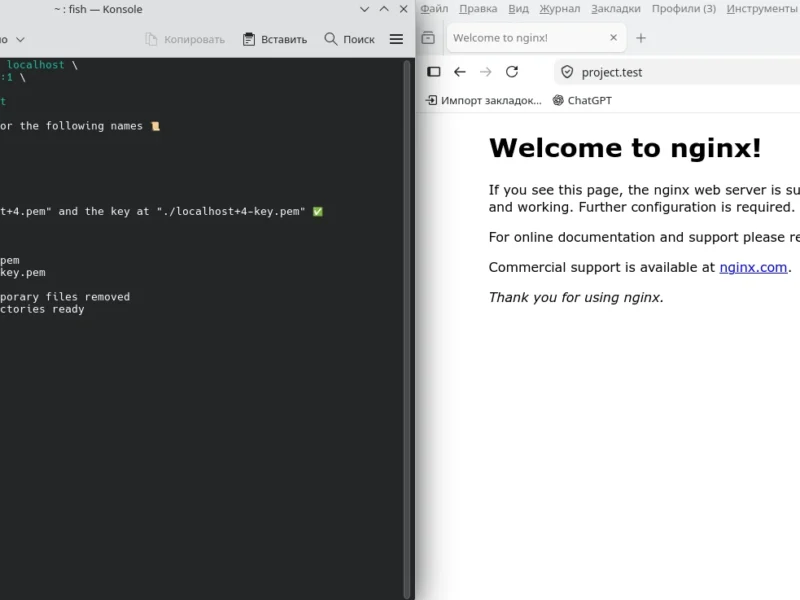
Zero-config local PHP/WordPress development environment on Arch Linux (without Docker)
• One nginx config • One SSL certificate • Dynamic project routing • One command project bootstrap Result: new PHP project in ~5 seconds.
-
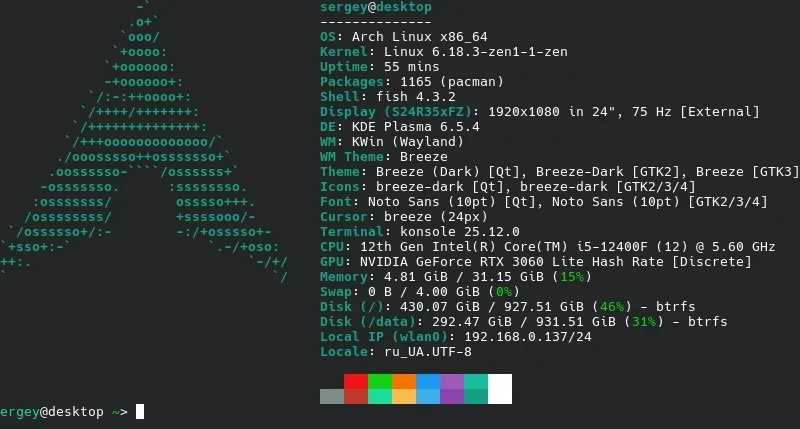
Why I Moved to Arch Linux
I didn’t switch to Arch Linux because it’s better in some absolute sense.And not because other distributions are worse. At some point, I just noticed that I wanted fewer ready-made answers. Before that, I was on CachyOS.It worked well. It was fast, comfortable, and mostly invisible.That was useful — especially when I didn’t want to…
-

A Quiet Check-In
Over the past few months, I’ve been noticing that working on projects “for someone else” has started to feel heavier than solving complex technical problems. Not because I’m tired of development itself.More because I’m tired of not having a direction that feels truly mine. I can work for a long time. I can do things…
-
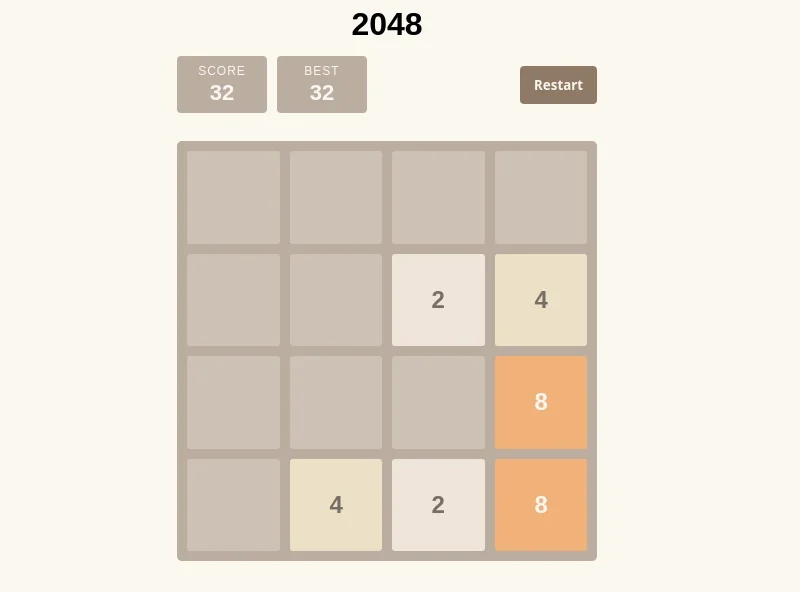
Building a Tiny 2048 Clone with Vanilla JavaScript
I wanted a lightweight version of 2048 that runs from a single index.html with zero build tools. The result is a compact, modular implementation in plain HTML/CSS/JS — easy to read, easy to tweak, and fun to extend.
Read more about Building a Tiny 2048 Clone with Vanilla JavaScript
-
Why Developers Keep Reinstalling Linux — Even When Nothing Is Broken
Developers often reinstall Linux not because something is broken, but because they want clarity, control, and a clean foundation. A fresh system feels lighter, faster, and easier to work with — like hitting a reset button for both the OS and the mind.
Read more about Why Developers Keep Reinstalling Linux — Even When Nothing Is Broken
-
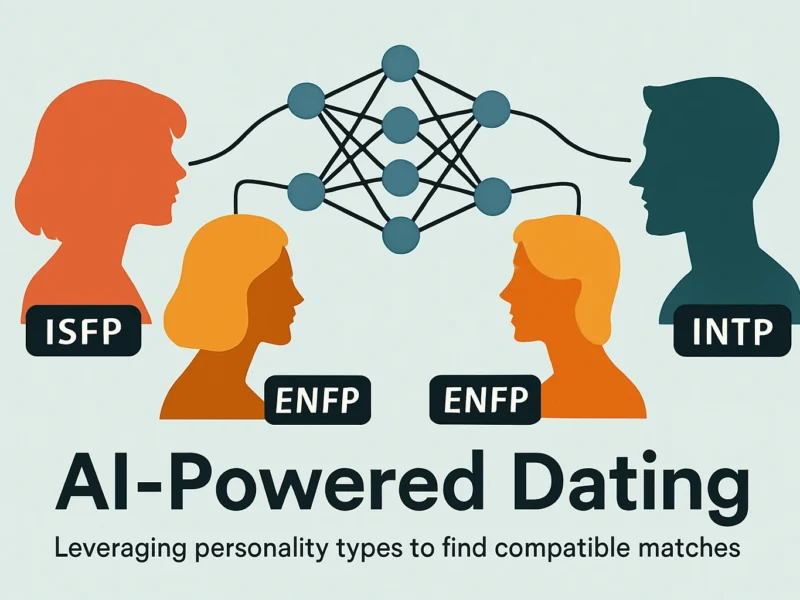
Concept: An AI-Driven Matching System for Meaningful Connections
Why classic dating apps fail people with depth — and how an AI-first approach could fix it. For years, dating apps have optimized for swipes, engagement metrics, and infinite scrolling — not for compatibility, emotional safety, or long-term value.They match faces, not people.And because of that, many users (especially introverts, analytical types, and anyone with…
Read more about Concept: An AI-Driven Matching System for Meaningful Connections
-
Why I Switched from Linux Mint to CachyOS
Some time Linux Mint was my go-to desktop Linux: stable, predictable, beginner-friendly.But after moving more of my daily workflow into development, infrastructure work, and local hosting (nginx, PHP, WordPress, OpenVPN, etc.), I felt the limits of the Ubuntu LTS ecosystem — especially outdated packages and the constant need for PPAs. Eventually, after some experimentation, I…
-
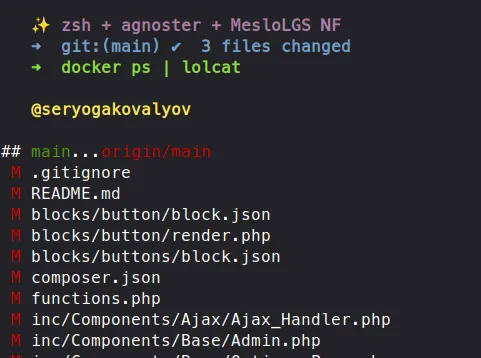
Setting Up a Beautiful Zsh Terminal (agnoster + MesloLGS NF + Colors)
A lightweight Oh My Zsh setup that makes terminal work actually pleasant When I switched from Bash to Zsh, I didn’t want a flashy spaceship-like prompt —I wanted a fast, clean shell that makes me type less and see more.After a few evenings of tuning, I ended up with a setup that feels minimal, predictable,…
Read more about Setting Up a Beautiful Zsh Terminal (agnoster + MesloLGS NF + Colors)
-
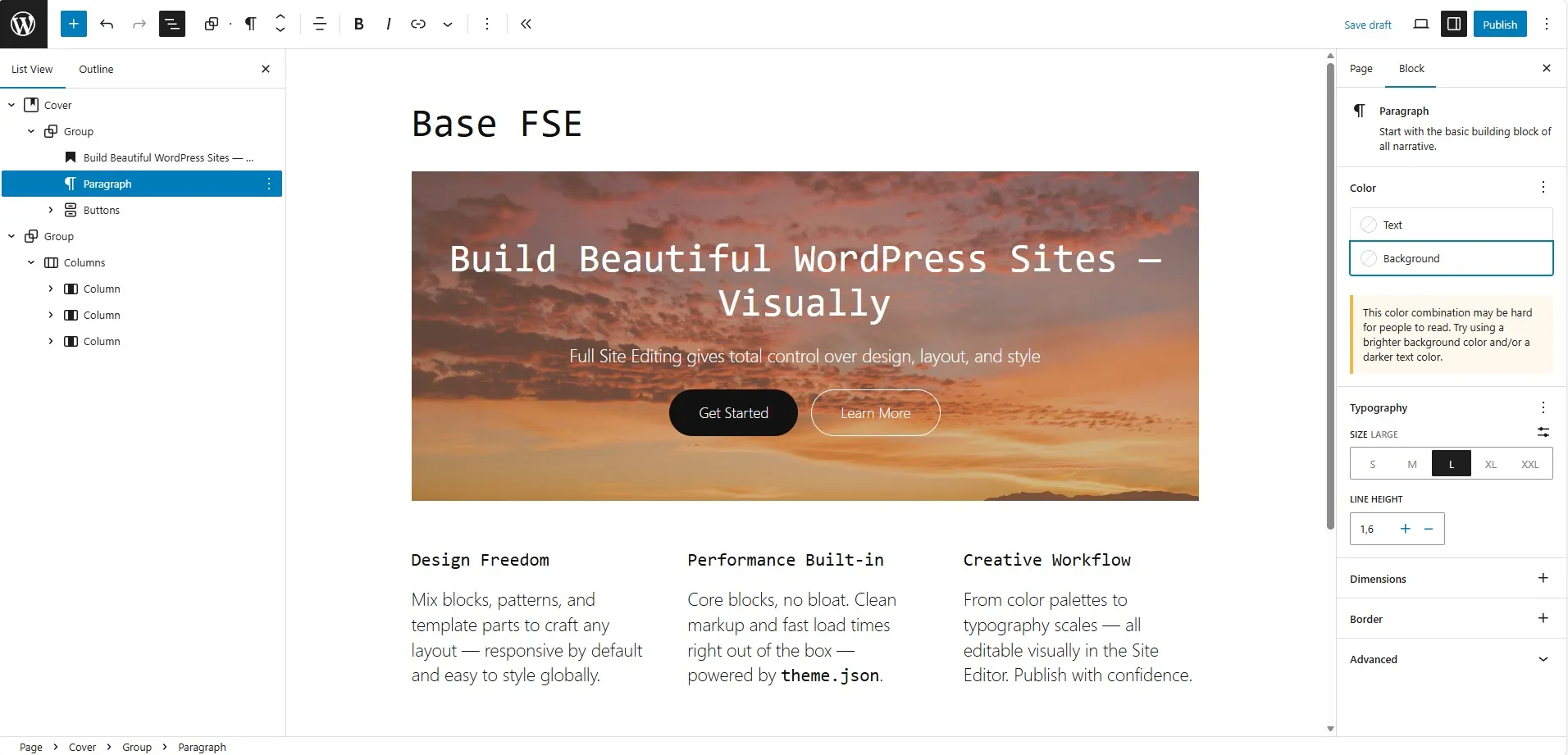
How I Built Full Site Editing (FSE) Theme for WordPress
When I realized that WordPress was fully embracing Full Site Editing, I got curious — could I build a clean theme with no PHP templates at all, powered only by blocks, JSON, and JavaScript? This post breaks down the process, the challenges I faced, and what I learned while creating my own FSE theme.
Read more about How I Built Full Site Editing (FSE) Theme for WordPress